In healthcare facilities, ensuring the safety and comfort of patients, staff, and visitors is paramount. One of the often-overlooked elements of a safe healthcare environment is proper ventilation. At SEWS Ductwork, we specialise in the design, manufacture, and installation of high-quality air ventilation systems for a wide range of sectors, including healthcare. With over 20 years of experience in the ventilation sector, we understand the critical role that air quality plays in infection control, staff wellbeing, and the overall functionality of healthcare spaces.
This blog explores how proper ventilation supports healthcare facilities and safe environments, detailing applications, benefits, and how SEWS Ductwork can assist in creating effective ventilation solutions tailored to your needs. Get in touch with us today for more information!
How Proper Ventilation Supports Healthcare Facilities & Safe Environments
Proper ventilation is more than just moving air – it’s about creating an environment that protects health, enhances comfort, and supports the operational demands of a healthcare facility. Effective ventilation systems can drastically reduce the spread of airborne pathogens, improve indoor air quality, and maintain optimal environmental conditions for both patients and medical staff. A well-designed system also supports long-term facility sustainability and contributes to operational efficiency by reducing energy waste and maintenance issues. In healthcare settings, where every detail matters, proper airflow management is crucial for safeguarding lives.
Airborne Infection Control
Healthcare facilities are high-risk areas for the spread of infectious diseases. Proper ventilation reduces the concentration of airborne pathogens such as bacteria, viruses, and fungi, lowering the risk of hospital-acquired infections (HAIs). By controlling airflow direction and implementing adequate filtration, ventilation systems prevent contaminants from moving between rooms and patient areas. This is particularly critical in areas such as isolation wards, operating theatres, and intensive care units, where vulnerable patients are most at risk.
Temperature and Humidity Regulation
Controlled ventilation systems help maintain consistent temperature and humidity levels, which are essential for patient comfort, the preservation of sensitive medical equipment, and the prevention of mould or bacteria growth. Consistent climate control also improves staff efficiency by creating a comfortable working environment, reducing fatigue, and minimising the risk of heat- or cold-related stress. Additionally, it supports medical procedures and storage of medications, which can be compromised by fluctuating environmental conditions.
Odour Management
Hospitals and clinics produce various odours from medical procedures, waste, and cleaning agents. Adequate ventilation removes unpleasant odours efficiently, ensuring a more welcoming environment for patients and staff. Effective odour control also reduces the risk of cross-contamination between areas and prevents the spread of potentially harmful airborne chemicals. This contributes to a more professional, hygienic, and psychologically comfortable environment for everyone in the facility.
Air Filtration
Ventilation systems equipped with HEPA filters or other advanced filtration mechanisms remove dust, pollen, and other airborne contaminants, creating a cleaner environment that supports vulnerable patients, such as those with respiratory conditions. High-quality filtration also protects staff from inhaling potentially harmful particles and helps maintain a sterile environment in sensitive areas such as operating theatres and laboratories. Over time, this reduces the frequency of deep cleaning and lowers the likelihood of infection outbreaks, saving both time and costs.
Energy Efficiency and Sustainability
Modern ventilation systems can be designed to optimise energy usage while maintaining air quality, helping healthcare facilities reduce operational costs without compromising safety. By incorporating intelligent controls, variable speed fans, and heat recovery systems, hospitals can significantly lower their carbon footprint. Energy-efficient ventilation also reduces strain on electrical and mechanical systems, contributing to longer system lifespan and lower maintenance costs.
Regulatory Compliance
Hospitals and care facilities must adhere to strict guidelines for air quality and ventilation. Properly designed and maintained systems ensure compliance with healthcare regulations and safety standards. Non-compliance can result in legal penalties, operational disruptions, and increased liability in patient care. By adhering to standards such as CIBSE, NHS, and HSE guidelines, facilities demonstrate their commitment to safety, quality, and public trust.
Supporting Medical Equipment
Certain medical procedures, including surgeries and intensive care treatments, require strict air quality and pressure controls. Proper ventilation ensures equipment functions reliably and patients remain in safe conditions. In sensitive areas, airflow can influence the accuracy of medical instruments, the sterility of surgical fields, and the effectiveness of climate-dependent treatments. Therefore, ventilation systems are integral not only for environmental safety but also for the operational integrity of advanced medical technologies.
Proper ventilation forms the backbone of a safe and efficient healthcare facility. By controlling air quality, temperature, humidity, and airflow, healthcare providers can create a space that prioritises the wellbeing of patients, staff, and visitors alike. Investing in a high-quality ventilation system is not just a regulatory necessity – it is a proactive step toward enhancing patient outcomes, protecting staff, and ensuring long-term operational excellence.
Ventilation Applications in Healthcare Facilities & Safe Environments
Healthcare environments require diverse ventilation solutions to accommodate different types of rooms, equipment, and patient needs. Each space has its own requirements, and a one-size-fits-all approach is rarely effective. Common applications of ventilation systems in healthcare settings include:
Operating Theatres
Operating theatres demand precise airflow patterns and high-efficiency filtration to minimise the risk of infection during surgical procedures. Laminar flow systems are often used to ensure sterile conditions.
Isolation Rooms
Isolation rooms are designed to contain infectious patients. Negative pressure ventilation ensures pathogens do not escape into other parts of the facility.
Patient Wards
General wards require continuous airflow to maintain comfort and reduce the spread of airborne diseases. Ventilation systems often include filtration and humidity control to support patient health.
Laboratories and Diagnostic Centres
Labs handling hazardous or sensitive materials require specialised ventilation with fume extraction, chemical filtration, and airflow control to ensure both staff safety and sample integrity.
Waiting Areas and Public Spaces
High-traffic areas need ventilation systems capable of handling large volumes of air while maintaining comfort and minimising cross-contamination.
Pharmacy and Sterile Storage
Air cleanliness and humidity control are essential in pharmacies and sterile storage areas to prevent contamination and ensure product safety.
Administrative Areas
Even non-clinical areas benefit from proper ventilation, improving staff productivity, reducing absenteeism, and enhancing overall workplace wellbeing.
Ventilation in healthcare facilities is not a single solution but a complex system tailored to the unique requirements of each area. Properly designed and implemented, these systems enhance operational efficiency, protect patients and staff, and support long-term facility sustainability.
The Benefits of Quality Ventilation Installation
Investing in professional ventilation installation offers multiple advantages, from compliance and efficiency to health and comfort. High-quality installations ensure that systems perform as intended, optimising the safety and functionality of healthcare facilities. Key benefits of professional ventilation installation include:
Enhanced Indoor Air Quality
Professional installation ensures that systems filter contaminants effectively, providing cleaner air for patients, staff, and visitors. This directly contributes to a healthier environment, reducing respiratory issues and promoting overall wellbeing throughout the facility.
Infection Control
Correctly installed ventilation systems minimise the risk of airborne infections by managing airflow patterns and reducing pathogen concentration. This is particularly critical in high-risk areas such as operating theatres, isolation wards, and intensive care units, where even minor lapses in air control can have significant consequences.
Consistent Environmental Conditions
Well-installed systems maintain precise temperature and humidity, essential for patient comfort, medical procedures, and equipment performance. Consistency also prevents fluctuations that could compromise sensitive medical instruments or affect patient recovery and staff efficiency.
Energy Efficiency
Professional installations include optimised ductwork, fan systems, and controls, which can significantly reduce energy consumption while maintaining high air quality. Efficient systems also lower operational costs over time and reduce environmental impact, aligning with sustainability goals for modern healthcare facilities.
Compliance and Certification
Certified installers ensure that systems meet healthcare regulations, safety standards, and industry best practices. Compliance not only safeguards patients and staff but also protects the facility from legal risks and potential operational disruptions.
Customised Solutions
Experienced installers, like SEWS Ductwork, can create bespoke systems tailored to the unique layout and operational requirements of a facility. Bespoke solutions ensure that every area, from operating theatres to waiting rooms, receives the appropriate airflow, filtration, and pressure control.
Longevity and Reliability
Proper installation reduces wear and tear, minimises maintenance issues, and extends the life of ventilation systems. This translates to fewer unexpected breakdowns, lower repair costs, and uninterrupted performance in critical healthcare environments.
Reduced Noise Pollution
Professional installation can incorporate noise reduction techniques, improving patient rest and staff productivity. Quiet ventilation systems also enhance the overall atmosphere of the facility, reducing stress and creating a more comfortable environment for all occupants.
A quality ventilation installation is a long-term investment in safety, efficiency, and comfort. By choosing professional services, healthcare facilities ensure their systems perform reliably and meet the high standards required in medical environments. Proper installation safeguards the health of everyone within the building while providing peace of mind and operational confidence to facility managers and healthcare teams.
How can SEWS Ductwork help?
At SEWS Ductwork Services Ltd, we specialise in manufacturing and installing high-quality air ventilation systems for healthcare and other sectors. With over 20 years of experience, our team designs, fabricates, and installs bespoke solutions to meet the exact requirements of each project.
Our services include:
Bespoke Ventilation Components
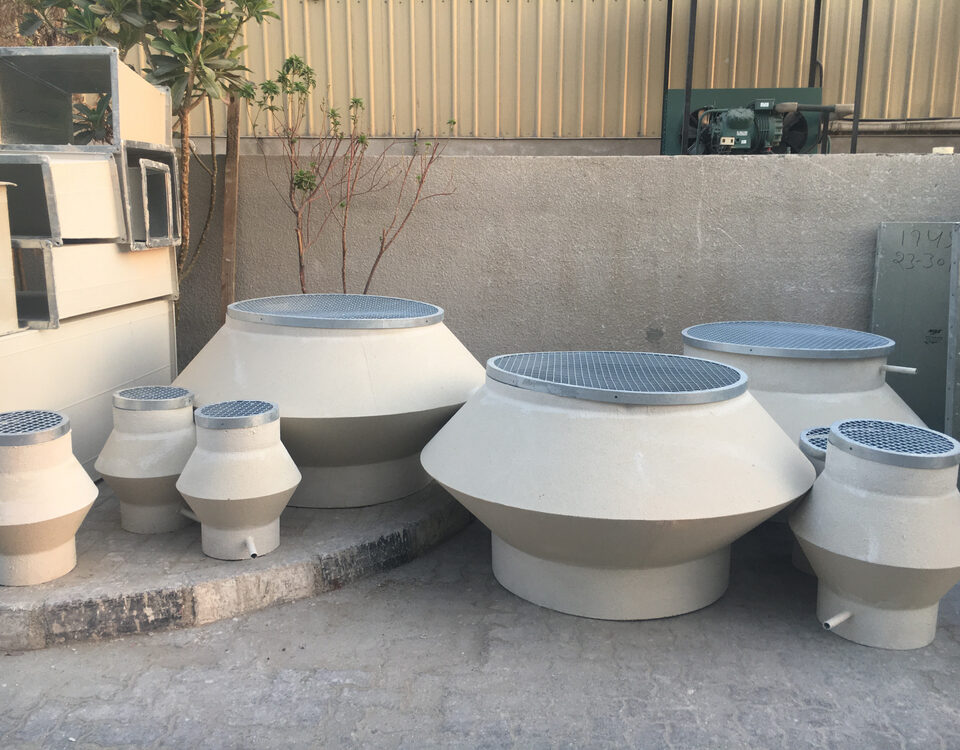
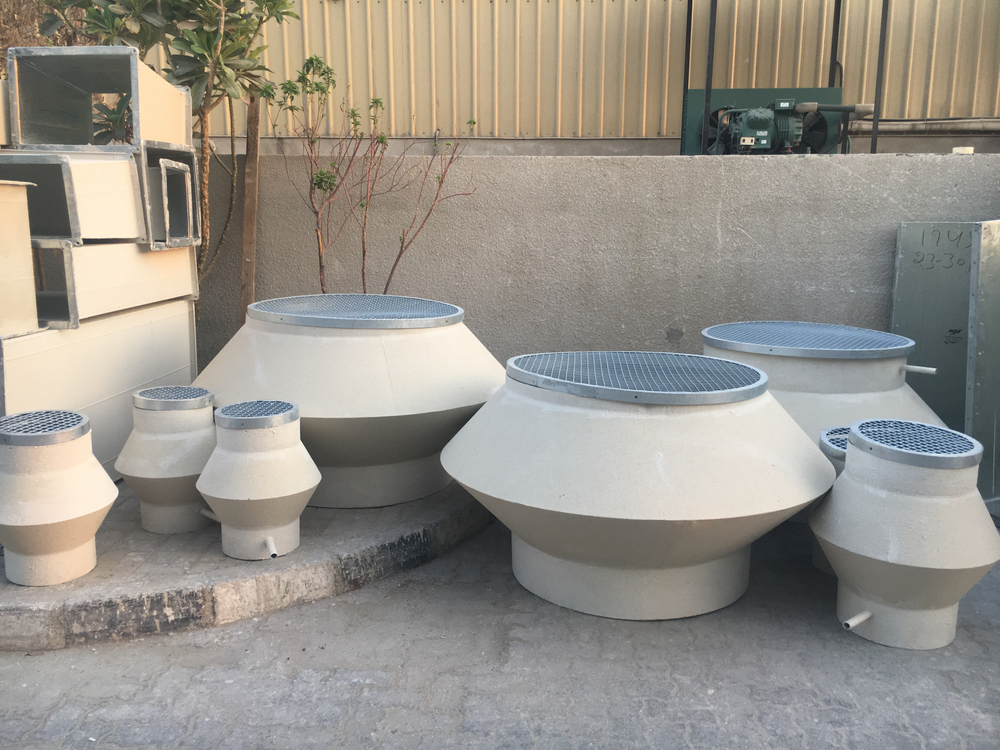
From tapers to square-to-rounds, we manufacture items to exact specifications, ensuring perfect integration with existing systems.
High-Quality Installation
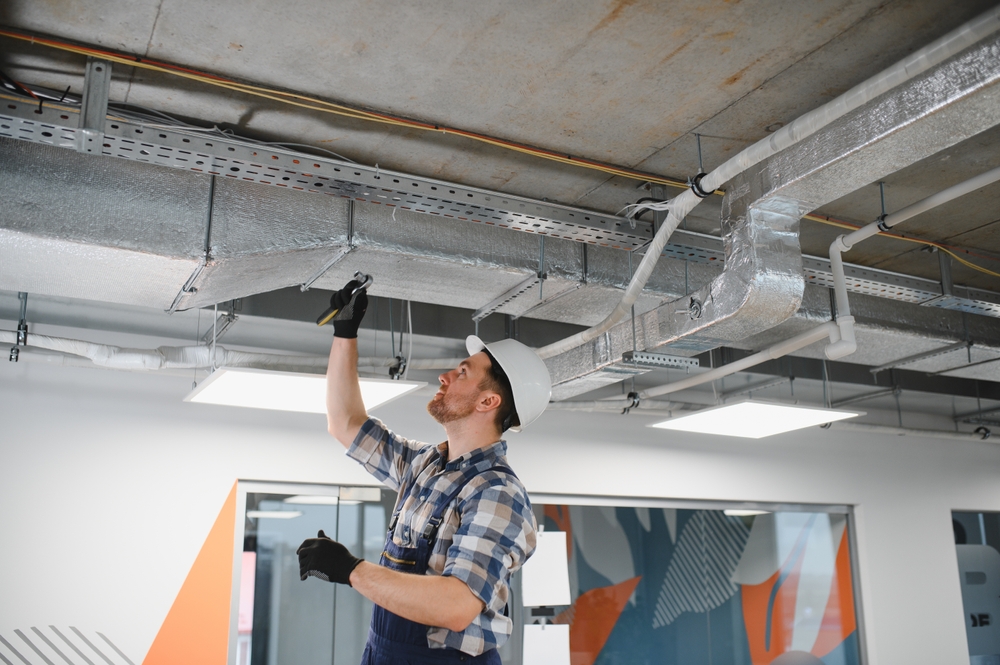
Our experienced engineers provide professional installations that guarantee optimal airflow, compliance, and reliability.
Custom Powder Coating
Choose any RAL or RHAL colour for your ventilation components, allowing seamless aesthetic integration.
Comprehensive Manufacturing
Our in-house facilities feature plasma cutting, coil lines, and sheet metal fabrication to handle complex projects efficiently.
Experience with Large-Scale Projects
Our portfolio includes work for hospitals, universities, stadiums, and commercial clients, demonstrating our capability to handle demanding installations.
Whether you are planning a new healthcare facility or upgrading an existing system, SEWS Ductwork can provide tailored solutions that prioritise air quality, safety, and efficiency.
Things To Consider
Room Usage
Different areas require different airflow rates, filtration, and pressure controls.
Regulatory Compliance
Ensure systems meet NHS, CIBSE, and other relevant standards.
Maintenance Access
Ductwork and filters should be accessible for cleaning and replacement.
Energy Efficiency
Select systems that balance performance with operational cost savings.
Noise Levels
Excessive fan or duct noise can disrupt patient care and staff focus.
Flexibility for Future Upgrades
Consider potential expansions or changes in facility use.
Integration with Existing Systems
Ensure new installations work seamlessly with current HVAC and building management systems.
FAQs
Why is ventilation important in healthcare facilities?
Ventilation reduces the risk of airborne infections, regulates temperature and humidity, and ensures a safe environment for patients and staff.
What types of ventilation systems are used in hospitals?
Systems include laminar flow for operating theatres, negative pressure for isolation rooms, and general HVAC systems for wards and public areas.
How does ventilation prevent the spread of disease?
By controlling airflow and using filtration, ventilation removes airborne pathogens and reduces cross-contamination.
Can ventilation improve patient comfort?
Yes, maintaining consistent temperature, humidity, and air quality enhances patient comfort and recovery.
How often should ventilation systems be maintained?
Regular maintenance is essential, typically every 6-12 months, depending on system complexity and usage.
What is bespoke ductwork?
Bespoke ductwork is custom-made ventilation components designed to meet the exact specifications of a facility.
Does SEWS Ductwork provide installation services?
Yes, SEWS Ductwork offers full design, manufacturing, and installation services.
Can ventilation systems reduce energy costs?
Modern, well-installed systems optimise airflow and efficiency, lowering operational energy costs.
Are ventilation systems required by law in healthcare facilities?
Yes, healthcare facilities must comply with standards for air quality, airflow, and safety.
In Conclusion: Breathing Life into Safer Healthcare Environments
Proper ventilation is more than just an operational requirement—it is an investment in patient safety, staff wellbeing, and facility efficiency. By prioritising air quality and working with experienced professionals like SEWS Ductwork, healthcare facilities can create environments that not only meet regulatory standards but also foster comfort, safety, and peace of mind.